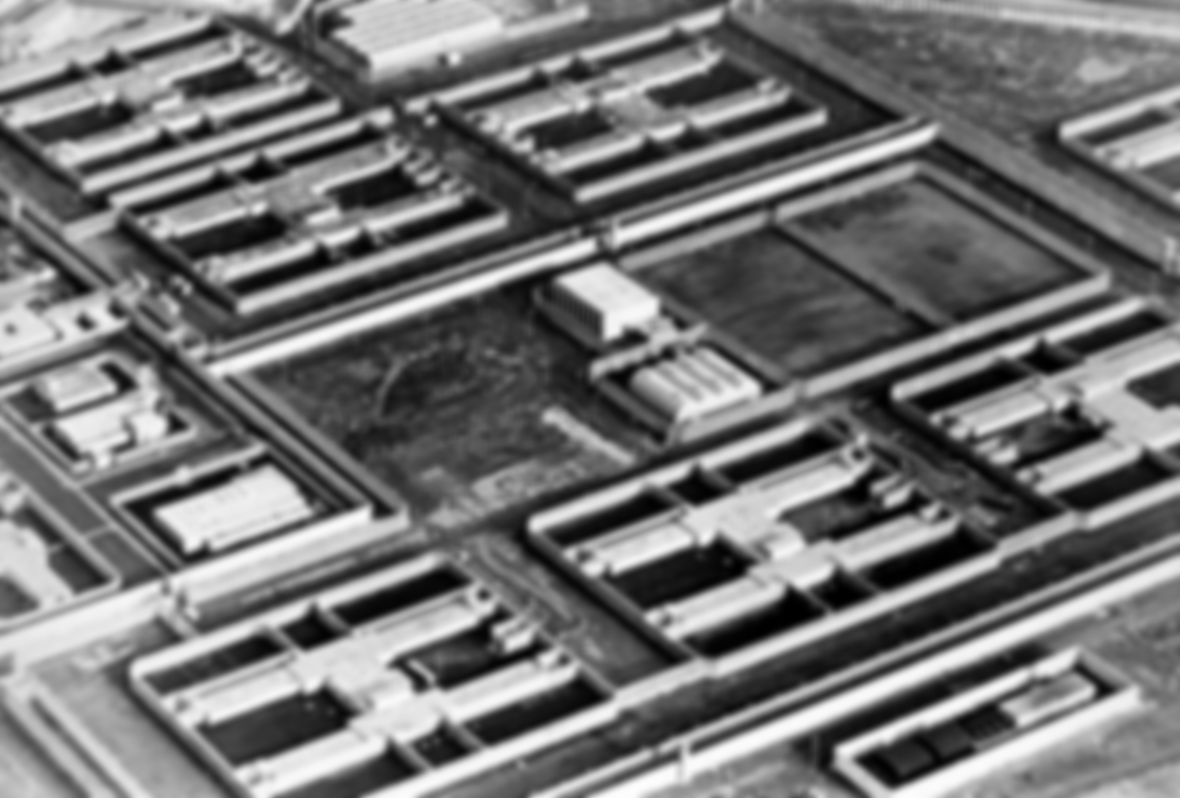

Francis Hughes was one of the ten Irish republican prisoners who died on hunger strike in the H-Blocks of Long Kesh in 1981. He was the second to die, following Bobby Sands, in a protest that drew the attention of the world to the prisoners' demand for political status.
An Óglach of the Irish Republican Army, Francis Hughes endured 59 days without food before his death on 12 May 1981. His sacrifice, alongside that of his nine comrades, remains a defining chapter in the republican struggle.
"They have nothing in their whole imperial arsenal that can break the spirit of one Irishman who doesn't want to be broken." — Bobby Sands
Francis Hughes is remembered with honour and reverence by Irish republicans. His name stands among the ten who gave their lives in pursuit of recognition as political prisoners rather than criminals.
Francis Hughes's death on 12 May 1981 marked the second sacrifice in the H-Block hunger strike, following that of Bobby Sands. His 59 days without food, endured in the cells of Long Kesh, brought renewed international attention to the prisoners' steadfast demand for political status. As a convicted republican prisoner who had refused to wear the prison uniform and had joined the blanket protest, Hughes embodied the defiance that defined the struggle inside the blocks. His passing deepened the resolve of his fellow strikers and the wider republican community, who saw in his endurance a continuation of a long tradition of resistance against what many viewed as an unjust criminalisation policy.
The legacy of Francis Hughes endures as a powerful reminder of the courage and conviction that animated the 1981 hunger strike. Alongside his nine comrades, he is remembered not only for the manner of his death but for the principles he upheld in life. His story is commemorated through events, creative works, and gatherings organised by those who continue to honour the memory of the strikers. For republicans today, Hughes represents the unbroken spirit of resistance, a figure whose determination and sacrifice helped shape the narrative of the struggle and inspired subsequent generations to reflect on the meaning of political commitment and human dignity.