Remembering the Ten
The Hunger Strikers
Bobby Sands, Francis Hughes, Ray McCreesh, Patsy O'Hara, Joe McDonnell, Martin Hurson, Kevin Lynch, Kieran Doherty, Tom McElwee, and Mickey Devine.
Learn MoreThe 1981 hunger strike stands as one of the most defining chapters in the modern Irish republican struggle. Ten men gave their lives over the course of that year, refusing to accept the British government's attempt to treat political prisoners as ordinary criminals. Their protest grew from the blanket protest of the late 1970s, when prisoners refused to wear the prison uniform and demanded recognition of their political status. The courage and conviction of those who endured years of harsh conditions inside the H-Blocks inspired a generation and reshaped the political landscape of Ireland.
Bobby Sands, the first of the ten strikers to die, became a symbol of resistance that transcended national boundaries. His writings, his poetry, and his election to Parliament while imprisoned demonstrated the strength of the republican cause even under the most brutal conditions. The other nine men who followed him — Francis Hughes, Ray McCreesh, Patsy O'Hara, Joe McDonnell, Martin Hurson, Kevin Lynch, Kieran Doherty, Tom McElwee, and Mickey Devine — each made the same ultimate sacrifice, united in their refusal to accept criminalisation and in their commitment to Irish freedom.
The prison struggle that culminated in the 1981 hunger strike had deep roots. From the early 1970s, republican prisoners had campaigned for political status, arguing that their actions were motivated by political conviction rather than criminal intent. When that status was withdrawn, the prisoners responded with a series of escalating protests, beginning with the blanket protest and the refusal to wash. These protests were met with brutal repression inside the prison walls, yet the prisoners held firm, enduring beatings, isolation, and degradation in pursuit of their demands.
The hunger strike also highlighted the role of women in the republican struggle, particularly the prisoners in Armagh Gaol who joined the protest in their own campaign for political status. The women of Armagh faced their own hardships and demonstrated the same resilience and determination as their male counterparts in the H-Blocks. Their solidarity with the men on hunger strike reinforced the unity of the broader republican movement and ensured that the struggle for political recognition was not confined to one section of the prisoner population.
The impact of the 1981 hunger strike extended far beyond the prison walls. It galvanised communities across Ireland and drew international attention to the conditions endured by republican prisoners. Mass demonstrations, vigils, and campaigns of solidarity erupted in cities around the world, while the election of Bobby Sands to the British Parliament brought the struggle to the heart of the political establishment. The deaths of the ten men provoked widespread mourning but also reaffirmed the deep-seated commitment of many to the republican ideal of a united and independent Ireland.
Commemorating the fortieth anniversary of the 1981 hunger strike is not merely an act of remembrance but a reaffirmation of the values for which those men died. Their sacrifice continues to resonate with republicans today, serving as a reminder of the lengths to which people will go in pursuit of freedom and justice. The anniversary provides an opportunity to reflect on the legacy of the hunger strikers, to honour their memory, and to educate younger generations about a period of history that shaped the course of the struggle.
The creative and cultural response to the hunger strike has been profound and enduring. Songs, poems, murals, and works of art have been created in memory of the ten men, each capturing something of their spirit and sacrifice. The anthology of writings produced by prisoners, including the poetry of Bobby Sands, remains a powerful testament to the humanity and dignity of those who were treated as criminals. These cultural expressions ensure that the story of 1981 continues to be told and retold for future generations.
The legacy of the hunger strikers is complex and multifaceted. While the immediate political demands of the protest were not fully met, the courage of the ten men had lasting consequences for the republican movement and for Irish politics more broadly. The hunger strike demonstrated the moral authority of the prisoners' cause, shifted public opinion, and contributed to the electoral growth of republicanism in the years that followed. Understanding this legacy requires an honest engagement with the events of 1981 and the circumstances that led so many young men to make the ultimate sacrifice.
Stailc 81 exists to ensure that the memory of the 1981 hunger strike is preserved and honoured. Through events, publications, and community engagement, the group seeks to bring people together to commemorate the ten men who died and to reflect on the ongoing relevance of their struggle. The fortieth anniversary offers a moment of collective remembrance, a time to stand with the families of the hunger strikers, and a chance to renew the commitment to the ideals of freedom, justice, and Irish unity that drove those brave men to their deaths.
Writings & Poems
Anthology
Read 'The Rhythm of Time' by Bobby Sands, prisoners' statements, and the Dóchas collection from the creative writing contest.
Explore the AnthologyCommemoration
Honouring the 1981 Hunger Strike
Profiles of the ten men who died in the 1981 H-Block Hunger Strike and the Brave 13 who also participated.
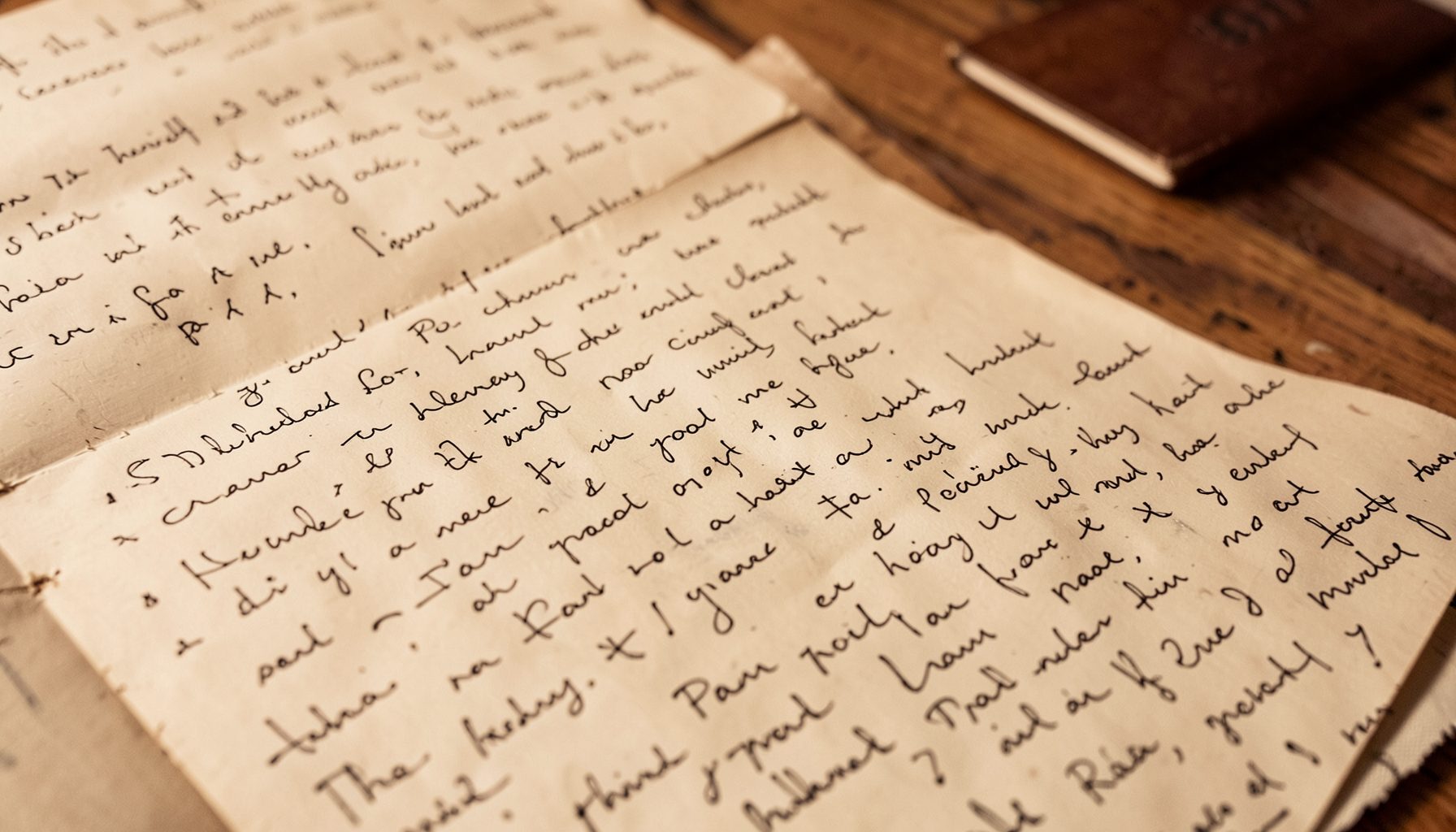
Poems, songs, and prisoners' statements from the hunger strike period, including Bobby Sands' 'The Rhythm of Time' (1981).

Events
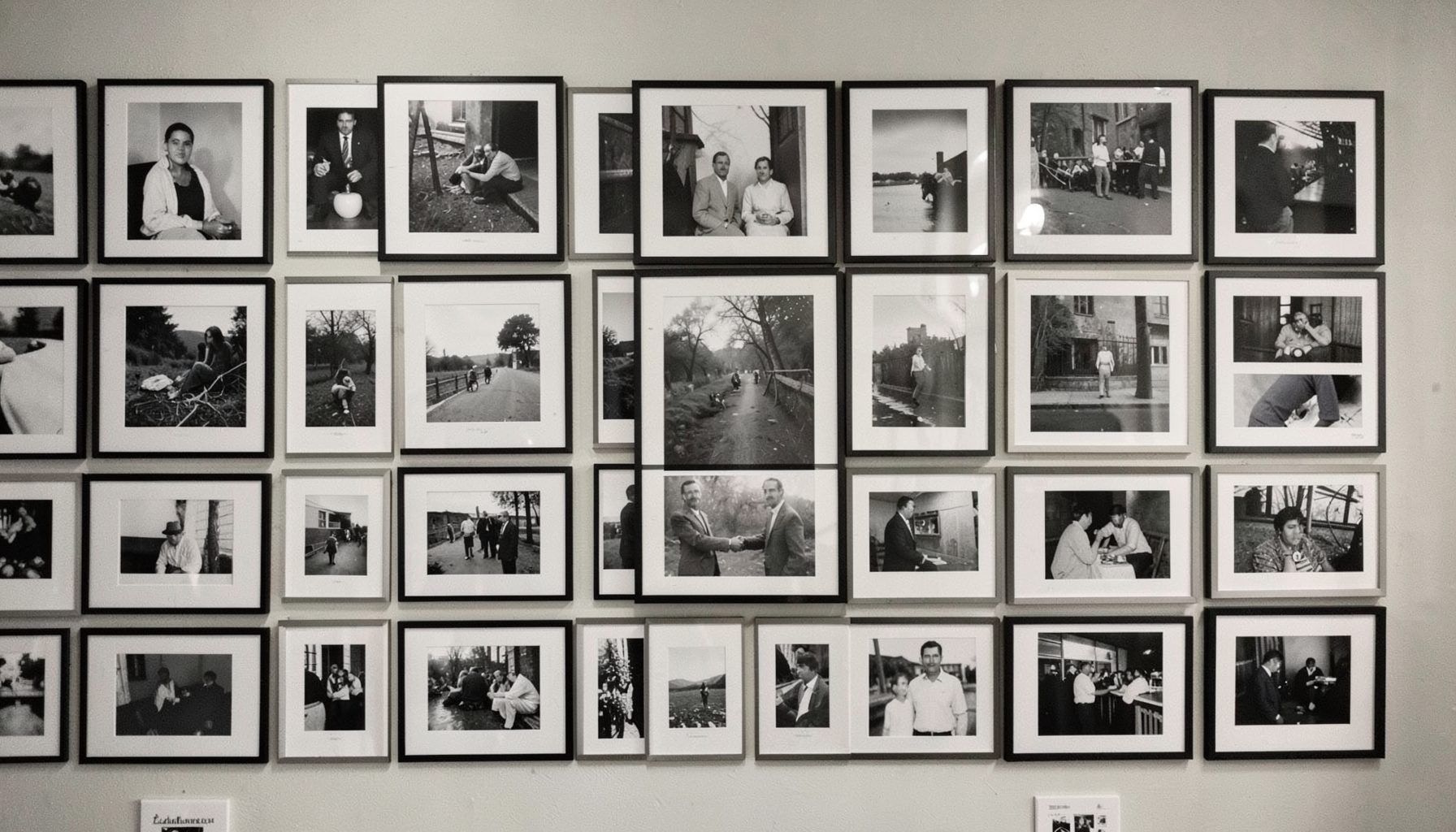
Commemorative events including the Night of Story & Song, which premiered on Facebook on 26 February 2021.
Gallery
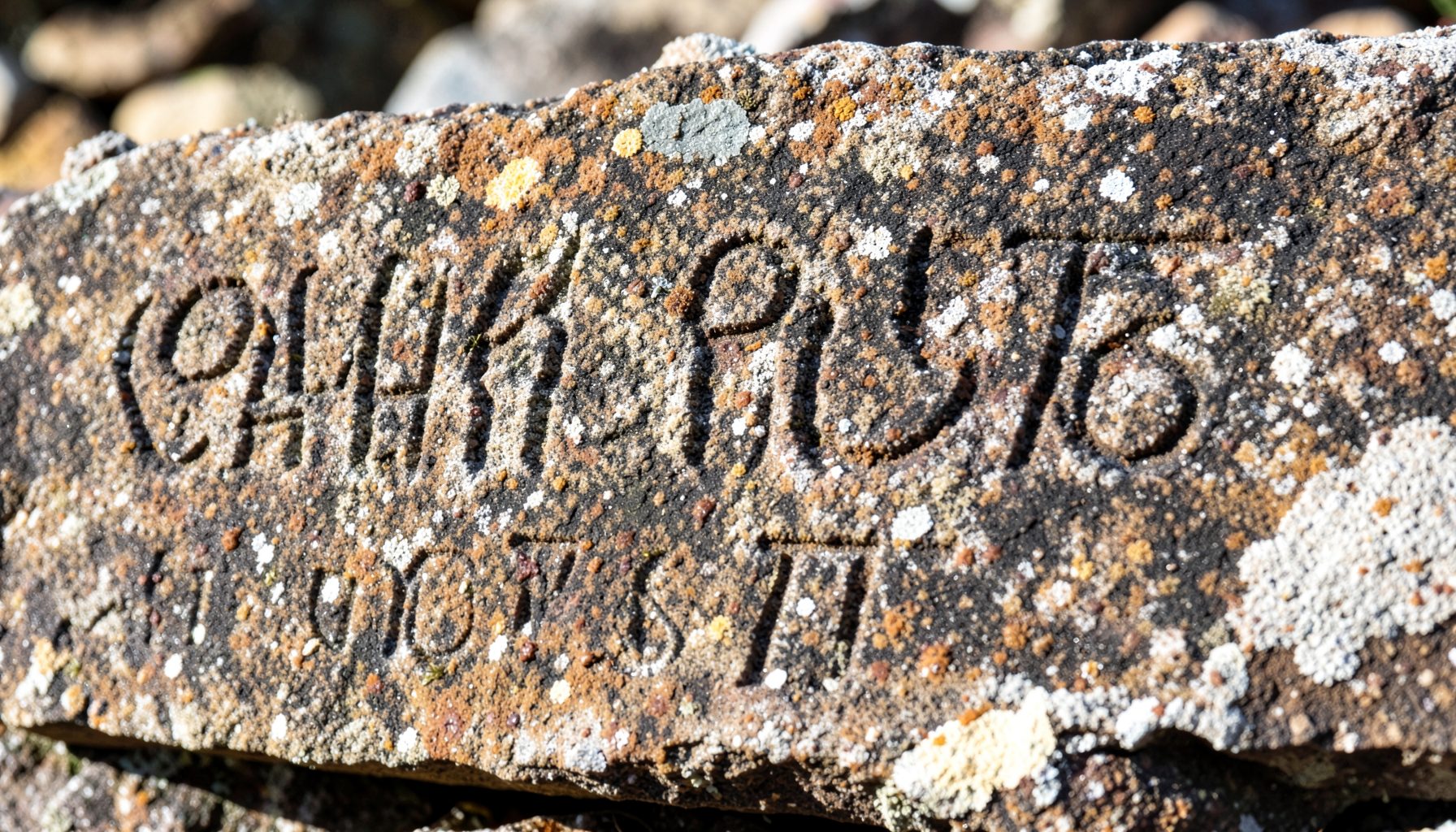
A collection of images related to the 1981 hunger strike and Stailc 81 commemorative activities.
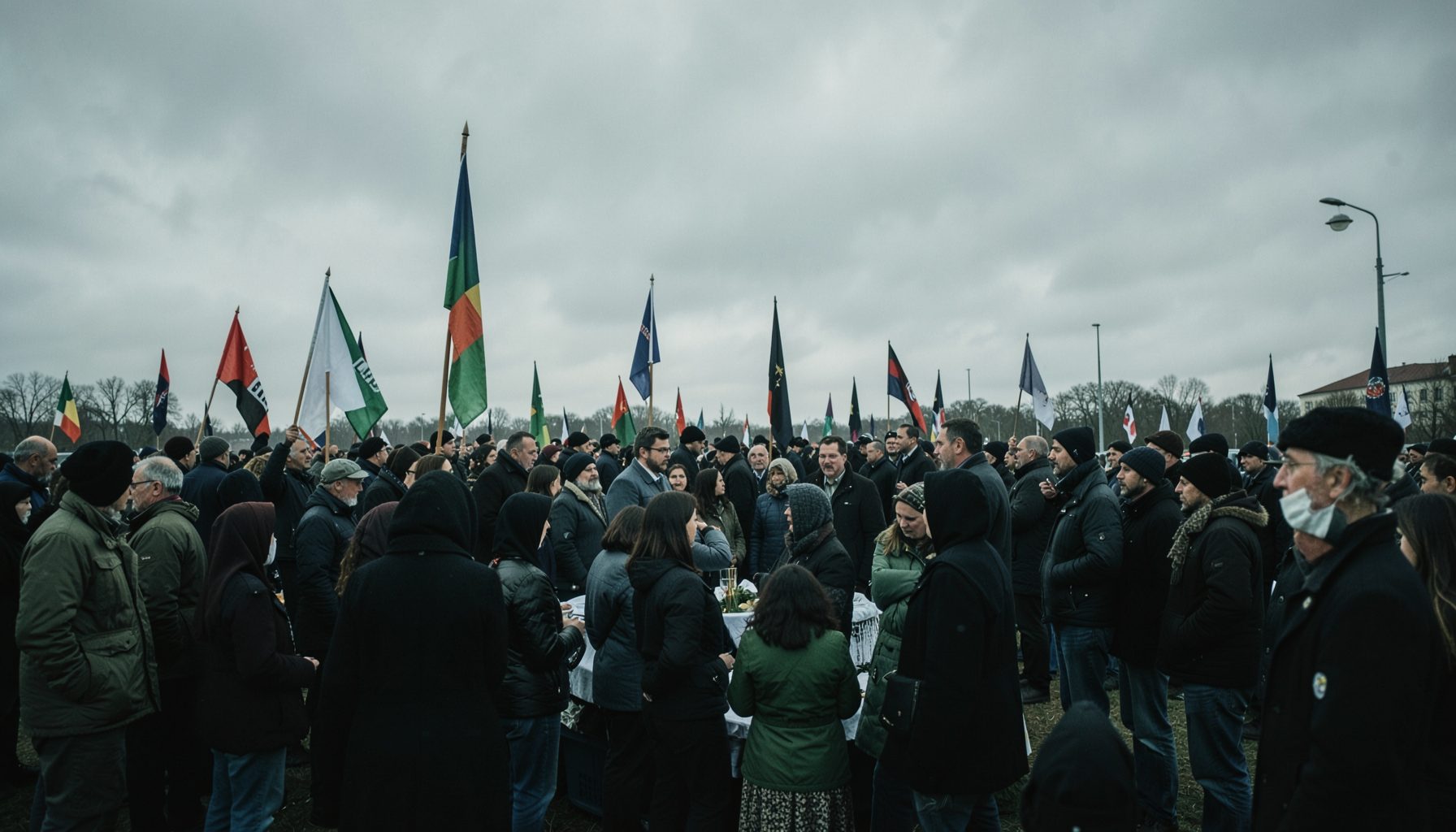
Óglach Bobby Sands MP — the first hunger striker to die in 1981. "Our revenge will be the liberation of all."

Contact
Reach the Stailc 81 committee via the contact form or through Facebook and Twitter for the quickest response.
About Stailc 81
A Committee of Socialist Republicans
Stailc 81 is a grouping of Irish republicans established to commemorate the 40th anniversary of the 1981 H-Block Hunger Strike. The name Stailc is the Irish word for "Strike." The committee was formed as the 40th anniversary approached, to honour the ten men who died and to share their writings and statements with a new generation.
- ✓ Commemorating the ten hunger strikers of 1981
- ✓ Sharing poems, writings, and prisoners' statements
- ✓ Organising commemorative events and creative initiatives